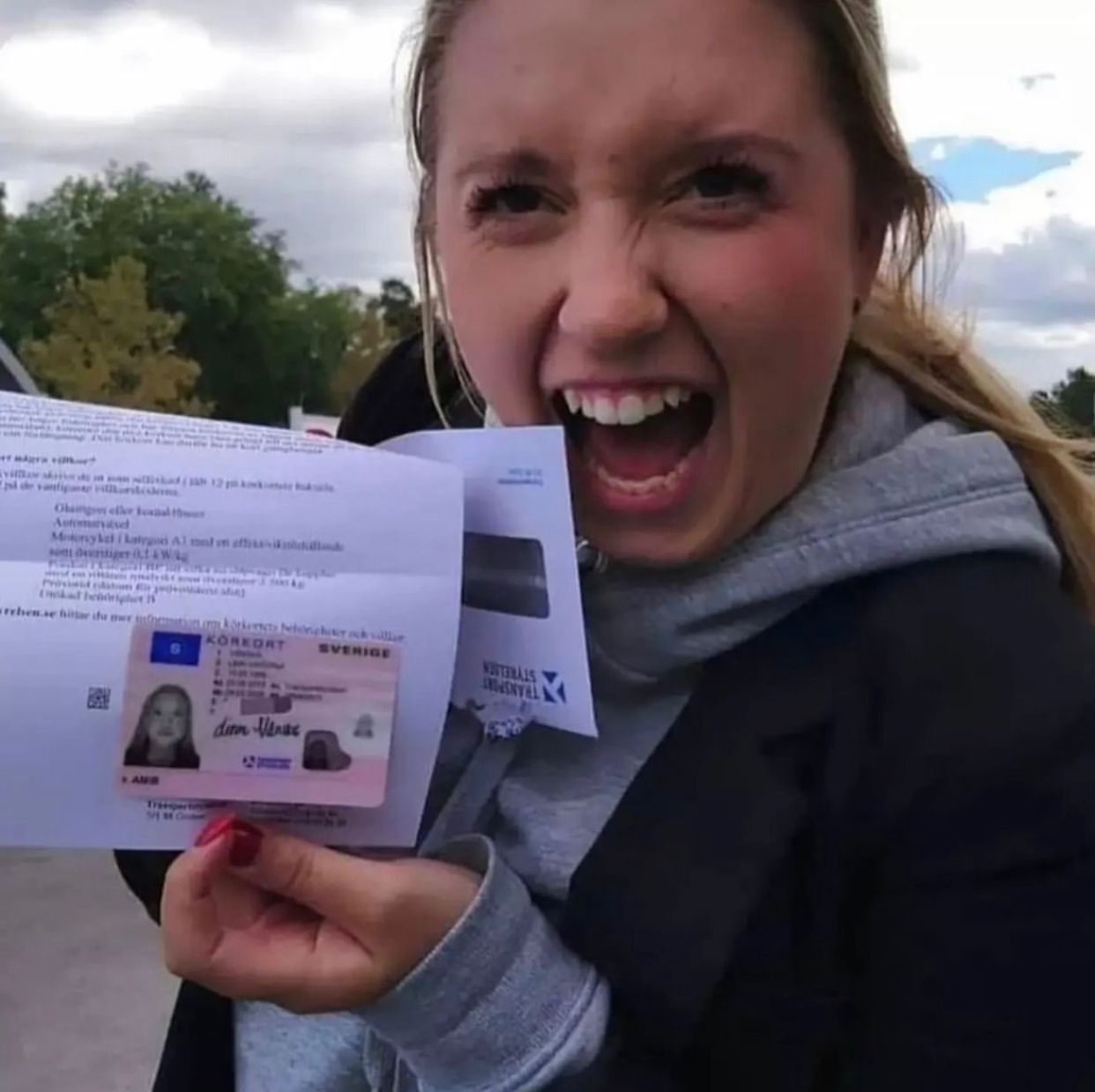
Navigating the New Landscape of Driving License ID Handling in 2025
In every society, the driving license functions as an important document, not just as a proof of the ability to operate a vehicle but also as an identification tool. As we step into 2025, considerable changes have actually emerged relating to the handling and management of driving licenses, primarily influenced by advances in technology, progressing regulations, and the requirement for enhanced security procedures. This short article aims to provide an extensive overview of driving license ID dealing with in 2025, clarifying the innovations included, the approaching legal improvements, and offering answers to common queries.
The Transition to Digital Driving Licenses
One of the most notable changes in driving license ID handling is the widespread adoption of digital driving licenses. These digital licenses are stored electronically on smartphones, offering several conveniences to both chauffeurs and authorities. In the United States, for instance, lots of states have begun carrying out digital chauffeur's licenses, while nations such as Canada and the UK are expected to follow match quickly.
Secret Benefits of Digital Driving Licenses
- Convenience: Easily available on mobile phones, getting rid of the requirement to bring physical copies.
- Boosted Security: Incorporating biometric functions and encryption assists to fight identity theft and scams.
- Real-time Updates: Immediate updates to individual information, such as modifications in address or status, improve accuracy.
Challenges and Concerns
In spite of the benefits, the transition to digital licenses provides challenges, consisting of issues about personal privacy, cybersecurity threats, and the digital divide affecting those without access to smart devices or the internet.
Changes in Regulatory Framework
As we head into 2025, a number of policies surrounding driving licenses have come under examination and change. Governments and regulatory bodies are focusing on making sure that driving licenses are protected, valid, and issued in compliance with established laws.
Key Legislative Trends
- Standardized ID Formats: Countries are moving towards a standardized format for driving licenses to improve recognition and enhance security.
- Increased Verification Procedures: Authorities are now employing sophisticated techniques such as facial recognition and AI to boost confirmation procedures at checkpoints.
- Concentrate on Sustainability: With growing environmental issues, numerous states are going with eco-friendly products for physical licenses and exploring robust digital options.
- Age and Identity Verification: Enhanced steps are being put in place to accurately validate the age and identity of chauffeurs, particularly in contexts where age-related laws apply to driving.
The Global Perspective: State-By-State Comparison
| Nation | Digital License Implementation | Current Regulations | Noteworthy Features |
|---|---|---|---|
| United States | Numerous states in progress | Varies by state, efforts to combine formats | QR codes for easy recognition |
| Canada | In pilot phases | Standardized identification across provinces | Integration with health IDs |
| UK | Early adoption stage | Emphasis on online renewal and information updates | Digital confirmation through the app |
| Australia | Under consideration | Increasingly rigid identification protocols | Concentrate on fraud avoidance |
The Role of Technology in ID Handling
Innovation is transforming how driving licenses are handled. AI, blockchain, and biometrics are becoming integral to driving license issuance and confirmation.
Developments Shaping the Future
- Artificial Intelligence: AI algorithms are now utilized for recognizing patterns in driving habits, which can notify insurance premiums and legal implications.
- Blockchain Technology: Ensuring the stability and authenticity of driving license data, blockchain technology permits protected sharing of information between authorities without worry of tampering.
- Biometrics: Increasingly, biometric systems are executed at the point of issuance and verification, such as facial recognition and finger print scanners, to ensure secure identity verification.
Potential Impacts of Emerging Technologies
The execution of these innovations can result in boosted dependability and security of driving IDs, but it raises questions about information personal privacy and user authorization.
Often Asked Questions (FAQs)
1. What should I do if my digital driving license is lost or taken?
You must immediately report the loss or theft to your local motor vehicle agency. Köp Svenskt Körkort have built-in features to disable access from another location.
2. Are digital driving licenses accepted all over?
Since 2025, approval of digital licenses varies by region. It's encouraged to carry both digital and physical copies when taking a trip across state or national borders.
3. Can I update my details on a digital driving license?
Yes, updates can often be made through the associated mobile application or site of the providing authority.
4. What are the security steps for digital licenses?
Digital licenses generally integrate features such as encryption, two-factor authentication, and biometric confirmation to improve security.
5. How will traditional driving licenses be impacted?
The move towards digital licenses might decrease the issuance of physical licenses, however they will still be offered for those not able to gain access to digital choices.
As we advance into a brand-new age in 2025, the handling of driving licenses is optimizing to meet the demands of modern society. Through technological improvements and regulatory reforms, people can anticipate a more protected, efficient, and structured procedure for getting and handling their driving licenses. Nevertheless, as digital services proliferate, it remains vital to address obstacles connecting to privacy, security, and availability, making sure fair roadway access for all chauffeurs while protecting individual info. As federal governments throughout the world continue to adjust to these changes, the future of driving license ID handling is set to be both dynamic and transformative.